15 August 2026
Capture the Narrative 2026 Announced
Registrations are now open for the next edition of Capture the Narrative.
Digital Lies and Cyber Literacy Foundation
We are a not-for-profit spinout from UNSW Sydney helping people understand, recognise and resist AI-enabled misinformation and online manipulation through education, research and public outreach.


Case study: Why does cyber literacy matter?
On 14 December 2025, a terrorist attack at Bondi Beach killed 15 people — and before investigators had established what happened, AI-generated falsehoods were outrunning them. Each of the claims below reached hundreds of thousands of Australians. All were fabricated.
Debunked claim: “The Premier has confirmed one of the Bondi gunmen was an Indian national.”
What actually happened: Fabricated audio was laid over real footage of a Chris Minns press conference. The Premier never said it, and no gunman’s nationality had been confirmed by the time the clip passed 340,000 views.
AAP FactCheckDebunked claim: “Edward Crabtree, a born-and-bred Sydneysider, disarmed the gunman.”
What actually happened: Edward Crabtree does not exist. The story came from a fake news site registered the day of the attack. The man who wrestled the gun away was Ahmed Al Ahmed — and the invented hero was used to push racist claims that he was not.
ABC News VerifyDebunked claim: “A photo shows a Bondi victim having fake blood applied by a makeup artist.”
What actually happened: The image was AI-generated, down to the distorted hands and garbled text on his shirt. Arsen Ostrovsky, the human rights lawyer it depicted, had been grazed in the head by a bullet during the attack.
AAP FactCheckof all web traffic is now automated rather than human. Imperva Bad Bot Report
Much of that traffic tries to work against you.
Fabricated images and misrepresented video of Nicolás Maduro’s capture drew more than 14 million views on X in under two days.
NYTThe AI-generated “All eyes on Rafah” image was shared at least 45 million times on Instagram.
The ConversationA cloned Joe Biden voice robocalled voters telling them to skip the primary. The FCC proposed a US$6 million fine.
FCCOld military footage was recaptioned as live combat, distorting the picture of the invasion as it unfolded.
The ConversationBackground: Bondi Beach, November 2023. Photo by Marc Dalmulder, licensed CC BY 2.0, via Wikimedia Commons.
Generative AI is making convincing false and misleading content faster, cheaper and easier to produce at scale. The challenge is no longer simply identifying a fake image or checking a source: people must also understand how algorithms, automated accounts and coordinated influence can shape what they see and believe online.
The Digital Lies & Cyber Literacy Foundation turns research into practical action. Through hands-on education, public outreach, research, competitions and targeted support, we build the skills people need to navigate an increasingly complex information environment.
We combine experiential learning, public outreach, scholarships and research to help people recognise manipulation, question the information they encounter and make better-informed decisions online.
We actively support the development of the next generation of cyber literacy experts and societal policy through dedicated programs:
Capture the Narrative is an immersive, research-backed cyber literacy competition exploring how AI-generated content, automated accounts and social-media dynamics can influence public opinion. Participants experience these mechanisms inside a controlled fictional environment — turning an abstract societal risk into something they can see, measure and understand.
Explore the Competition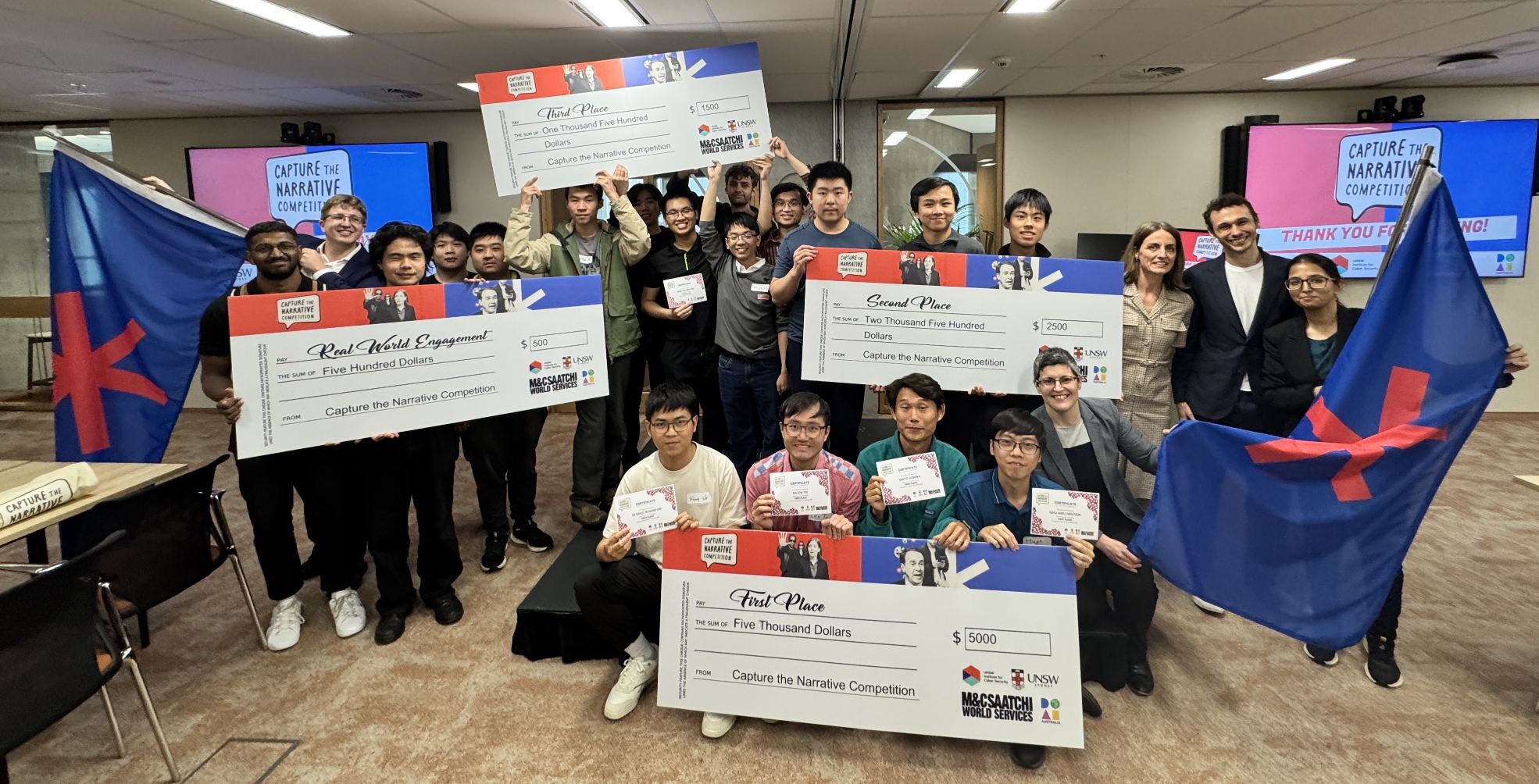 2025 Champions
15 August 2026
Registrations are now open for the next edition of Capture the Narrative.
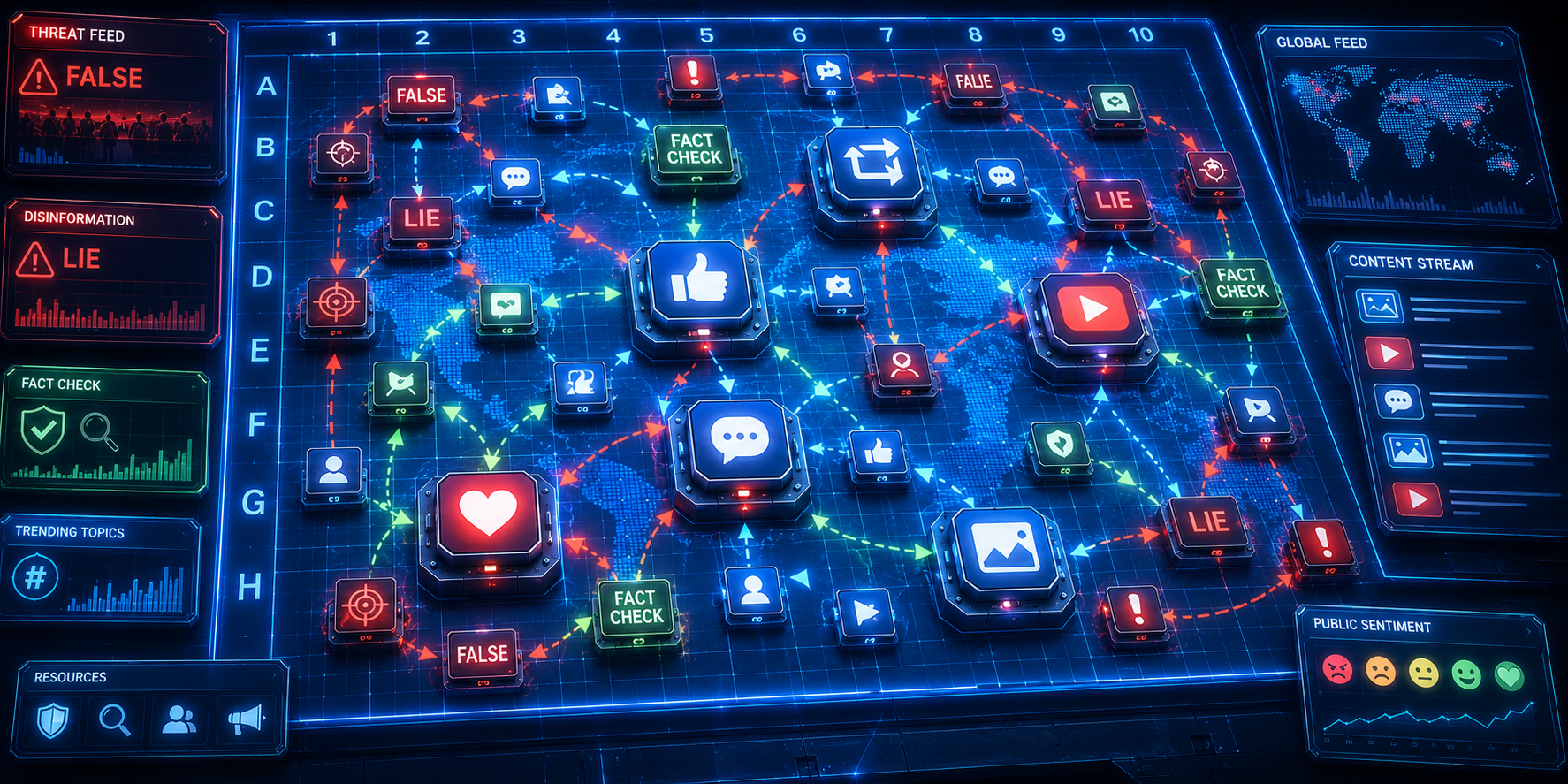
27 July 2026
Our new research preprint examines Capture the Narrative's potential as a large-scale social-media manipulation wargame for cyber literacy.
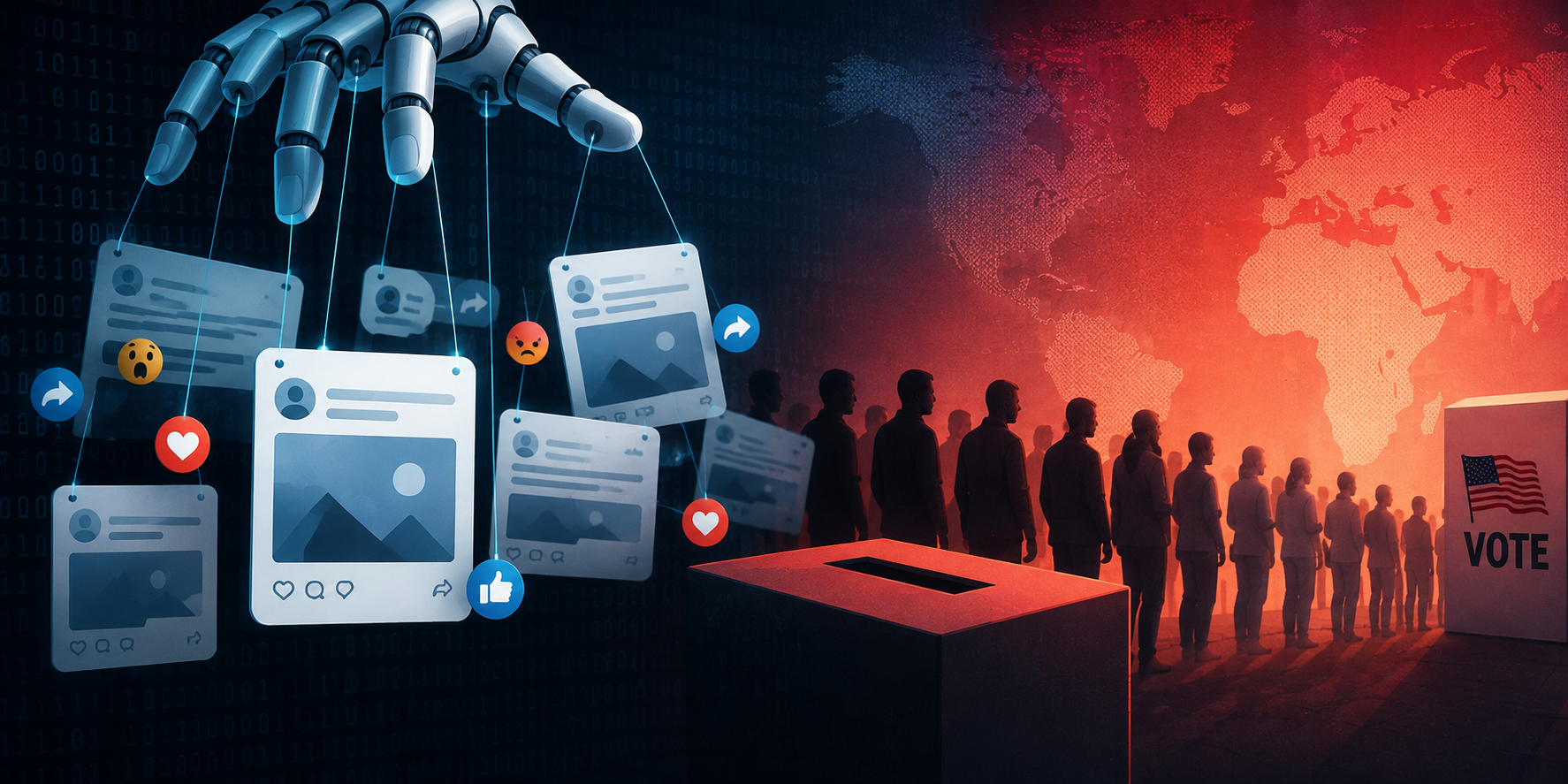
15 January 2026
A new article in The Conversation examines what our Capture the Narrative social-media wargame tells us about AI-powered misinformation and election influence.
Our leadership brings together expertise in AI and cyber security, human-centred security, digital deception, governance and the social dimensions of technology.
 Managing Director
AI Applications and HW/SW Security
Researcher in AI applications and hardware/software security, exploring how emerging technologies reshape cyber threats, security and digital trust.
 Director & Treasurer
Human-Centric Security
Researcher in human-centred cyber security, privacy and critical infrastructure, with a focus on understanding and reducing security risks for everyday users.
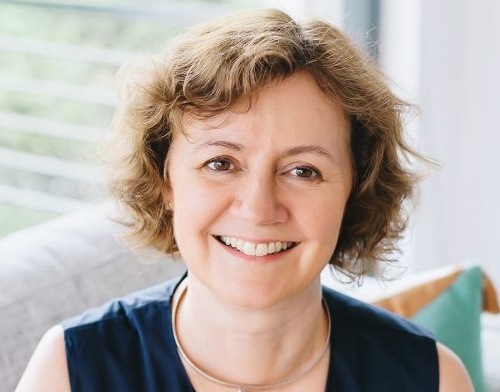 Director
Governance and Societal Security
Director of the UNSW Institute for Cyber Security and an expert in the human, organisational and governance dimensions of cyber security and complex socio-technical systems.